
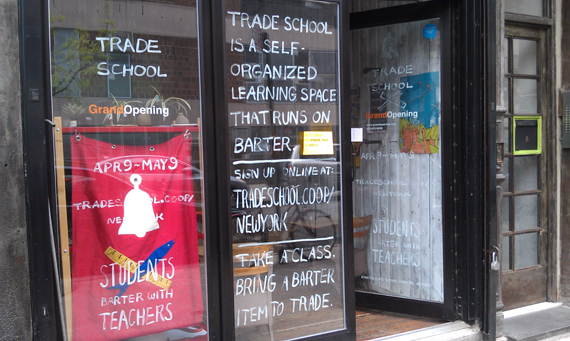
In general, alternative schools have more complete educational and developmental objectives than standard schools. They often have program fundamentals that focus on improving student self-esteem, fostering growth of individuality, and enhancing social skills. Alternative schools are more flexible in their administration and organization, which allows for more variety in educational programs.
Once available primarily for disruptive students and those at risk for dropping out of a traditional school environment, alternative schools have expanded significantly in purpose as educators, parents, and wider communities recognize that many adolescents may not learn successfully in a traditional school environment. For children and adolescents with behavioral and psychological issues, such as depression, personality disorders, substance use and abuse, and violence, alternative schools may provide a safer therapeutic environment and more individualized attention than traditional schools.
For children and adolescents with certain medical conditions and learning challenges such as attention deficit hyperactivity disorder (ADHD), Asperger's syndrome, and dyslexia, alternative schools may provide combined clinical and education services in one place to ease learning. Alternative school structure and curriculum varies depending on the educational goals and desired student population. Alternative schools may not be accessible or available locally and may require additional daily travel or residential boarding by the student. Usually, local alternatives to public schools do not require a monthly tuition, while private schools do require parents to pay a monthly tuition for student attendance. A number of different types of alternative schools exist, including the following:
o emotional growth boarding schools
o independent private schools
o local alternatives to public schools, for example, at-risk programs, charter schools, magnet schools,
o special-needs day schools
o therapeutic wilderness programs

For children and adolescents identified as "at-risk" by the public school district, alternative programs may be available.
Usually, at-risk alternative programs are offered at a special location within the public school district or at a location that is accessible to and serves multiple public schools (e.g., a county-wide program).
At-risk students usually have undergone school psychological and behavioral evaluations that identify them as requiring specialized attention not available in the traditional school environment.
Suitable programs may include emotionally disturbed, oppositional, and disruptive students and offer smaller classes, specially trained staff, and closer supervision. Some programs may be dedicated to serving a particular group of at-risk students, such as pregnant teens and teen mothers.

Private schools require that parents pay tuition and usually have a competitive admissions process requiring students to complete an application and interview. Private schools usually emphasize academic and/or athletic achievement, and student acceptance is based on academic and athletic potential, as well as enthusiasm for being active in school community life. Private schools have smaller classes, a more structured learning environment, a variety of extracurricular activities, and individualized opportunities for developing student creativity and intellect. Therapeutic wilderness programs involve group and individual therapy in an outdoor adventure setting. More and more are now including some academics as parents have their students in these programs all throughout the year and not just in the summer months.


No comments:
Post a Comment